Choosing the Right Light-Duty Tow Truck: What Vehicle Owners Should Know
January 28, 2026
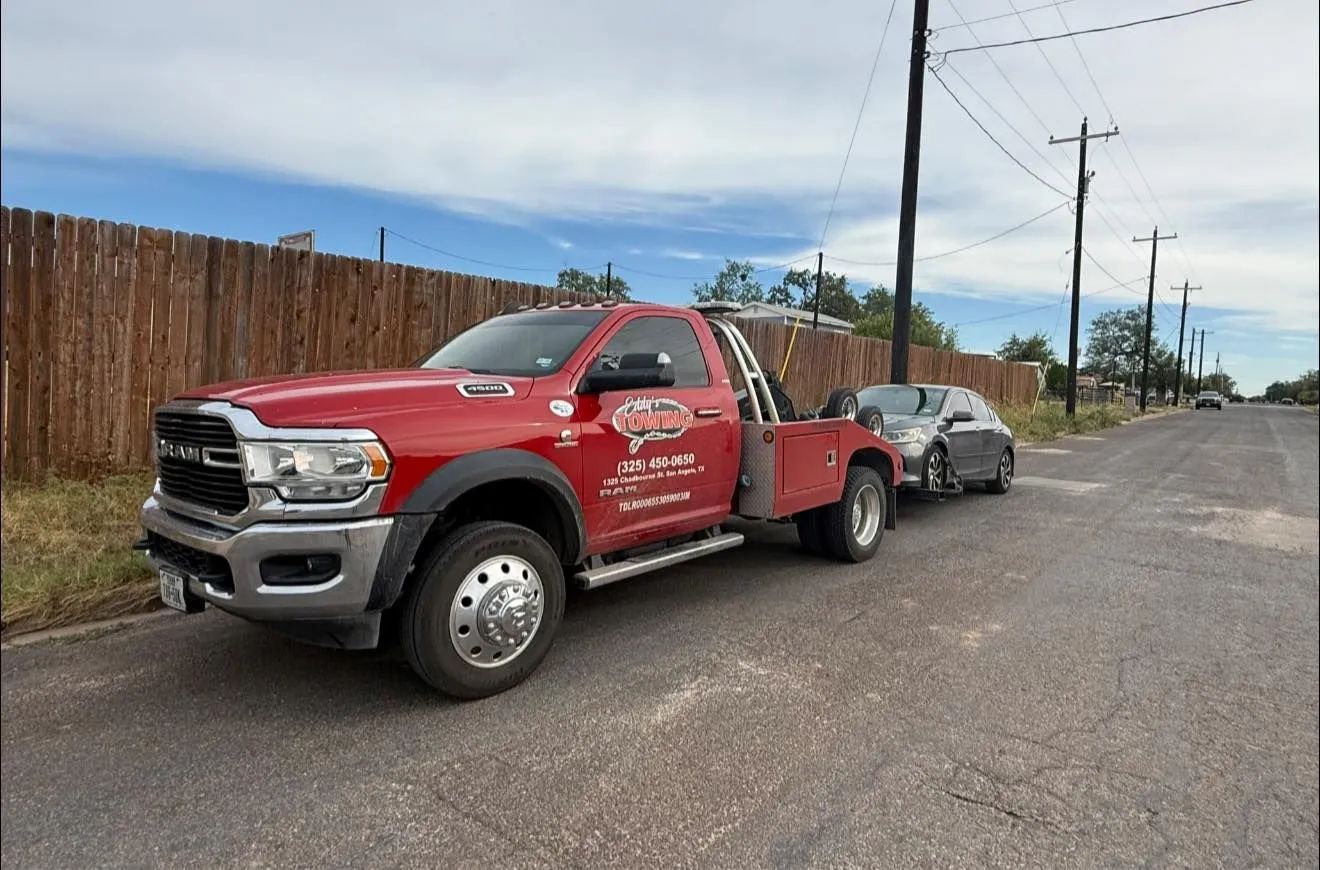
For vehicle owners, having access to reliable towing services is more than just convenience—it’s an essential part of vehicle ownership. When a car breaks down unexpectedly or an accident occurs, the first step to resolving the situation often depends on the capabilities of the tow truck dispatched. While many may assume all tow trucks are the same, selecting the right light-duty tow truck can significantly impact safety, efficiency, and overall cost. Light-duty tow trucks, designed for smaller vehicles such as sedans, SUVs, and light trucks, are the most commonly used in everyday towing scenarios. Understanding their capabilities, limitations, and features is crucial for both vehicle owners and fleet managers who rely on these services regularly.
In today’s automotive and roadside assistance industry, vehicle owners face a growing variety of tow truck options. From wheel-lift systems to flatbeds, each type offers unique advantages and operational considerations. Choosing the right light-duty tow truck ensures not only the safety of the vehicle being transported but also enhances the towing process’s overall efficiency. This guide provides vehicle owners with actionable insights into selecting a light-duty tow truck, exploring the critical factors, industry best practices, and real-world scenarios to help make informed decisions.
Understanding Light-Duty Tow Trucks
What Defines a Light-Duty Tow Truck?
A light-duty tow truck is typically engineered to handle vehicles weighing up to 10,000 pounds. These trucks are commonly used for passenger cars, small SUVs, and light-duty pickup trucks. Their versatility makes them ideal for roadside assistance, impound services, and minor accident recovery. Unlike medium- or heavy-duty trucks, light-duty tow trucks prioritize maneuverability, speed, and accessibility in urban or suburban environments.
Key Components and Mechanisms
Light-duty tow trucks come equipped with two primary systems: wheel-lift and flatbed mechanisms.
- Wheel-Lift Tow Trucks: These trucks use a metal yoke that lifts either the front or rear wheels off the ground. This system allows for quick attachment and detachment but requires caution to avoid vehicle frame stress.
- Flatbed Tow Trucks: Flatbeds offer complete vehicle transport by loading the car entirely onto the truck bed. This method reduces wear and tear on the towed vehicle, making it a preferred choice for high-value or exotic cars.
Typical Use Cases
Light-duty tow trucks are frequently deployed for minor accidents, roadside breakdowns, or routine transportation. They are ideal for situations where vehicle weight and size do not exceed the truck’s capacity. Recognizing which system suits a particular scenario is essential for vehicle owners seeking reliable towing outcomes.
Factors to Consider When Selecting a Tow Truck
Vehicle Type and Weight
The most critical consideration is the vehicle being towed. Owners must confirm that the tow truck can safely accommodate their vehicle’s weight and dimensions. Using a truck with insufficient capacity risks damage to both the tow truck and the vehicle.
- Example: Attempting to transport a loaded SUV with a wheel-lift tow truck rated only for sedans may result in suspension or body damage.
Road Conditions and Access
Accessibility plays a significant role in tow truck selection. Wheel-lift trucks are advantageous in tight urban spaces, while flatbed trucks excel on highways or for vehicles parked on uneven terrain. Understanding the operational environment ensures efficiency and safety during towing.
- Best Practice: Evaluate whether the tow truck can safely navigate driveways, narrow streets, or construction zones without causing further vehicle damage.
Safety Features and Compliance
Modern tow trucks include safety features such as backup cameras, hydraulic stabilizers, and wheel chocks. Compliance with federal and state towing regulations is also essential. Vehicle owners should ensure the tow company adheres to these standards to prevent liability and ensure secure transport.
- Expert Insight: Safety is not optional. A tow truck with insufficient safety measures increases the risk of accidents and vehicle damage.
Operator Experience
Even with the right truck, operator expertise is a determining factor. Skilled drivers know how to handle unusual loads, steep inclines, and urban traffic challenges. Confirming that operators are certified and trained enhances confidence in the towing process.
Types of Light-Duty Tow Trucks
Wheel-Lift Trucks
Advantages:
- Fast attachment for roadside emergencies
- Compact design allows maneuverability in crowded areas
- Lower operational costs compared to flatbeds
Challenges:
- Potential for undercarriage damage if improperly used
- Limited capacity for larger vehicles
Ideal Scenarios:
- Pulling sedans from tight parking spaces
- Short-distance tows
Flatbed Tow Trucks
Advantages:
- Complete vehicle transport without tire contact with the road
- Suitable for high-end or specialty vehicles
- Reduces risk of mechanical or body damage
Challenges:
- Requires more space for loading and unloading
- Slightly slower operation in emergency scenarios
Ideal Scenarios:
- Transporting luxury or exotic cars
- Long-distance towing
- Vehicles with significant front or rear damage
Integrated Lift Systems
Some light-duty trucks combine wheel-lift and flatbed features, providing flexibility in handling different towing situations. These hybrid systems are increasingly popular among towing companies that require adaptability in diverse environments.
Maintenance and Reliability Considerations
Regular Inspections
Choosing a Reputable Towing Service
Vehicle owners benefit from selecting towing companies that invest in well-maintained trucks. A truck’s age, service history, and manufacturer support influence its performance and safety.
Operational Lifespan
Light-duty tow trucks typically have an operational lifespan of 8–12 years with proper maintenance. Regular servicing, component replacement, and responsible usage extend this period, ensuring cost-effective performance.
Cost and Value Considerations
Cost Components
Tow truck selection involves more than the initial service fee. Factors influencing costs include:
- Vehicle type and distance
- Emergency or non-emergency response
- Type of tow truck (wheel-lift vs flatbed)
- Additional equipment required
Balancing Price and Quality
While cost is a concern, choosing the lowest-priced service may compromise safety or reliability. Investing in a reputable towing provider with the appropriate truck type ensures long-term value and minimizes the risk of damage.
- Example: A luxury car owner may spend slightly more for a flatbed tow, but the investment avoids costly repairs caused by a wheel-lift tow.
Insurance and Liability
Vehicle owners should verify that the towing service carries proper insurance coverage. This protects against damage during transport and ensures accountability. Comprehensive insurance often correlates with better-maintained trucks and trained operators.
Real-World Scenarios and Decision-Making
Scenario 1: Urban Breakdown
A compact sedan breaks down in a busy downtown area. A wheel-lift tow truck is ideal because of its ability to maneuver through tight streets and quickly lift the vehicle without blocking traffic. The operator’s experience ensures minimal disruption to nearby vehicles.
Scenario 2: High-Value Vehicle Transport
A luxury SUV needs to be transported to another city. A flatbed tow truck is the safest option, protecting the tires, suspension, and body from road damage. The long-distance route and uneven terrain make flatbed transport the preferred choice.
Scenario 3: Mixed Fleet Requirements
A towing company servicing both sedans and light trucks may use integrated lift trucks. These hybrids allow operators to adapt quickly, switching between wheel-lift and flatbed functions depending on the vehicle’s size and condition.
Best Practices for Vehicle Owners
- Confirm Truck Capability:- Always verify the tow truck’s weight rating and mechanism suitability for your vehicle type. This step reduces potential damage and ensures efficient service.
- Check Licensing and Insurance:- Ensure the towing service is licensed, insured, and compliant with local regulations. This protects both the vehicle owner and the towing company in case of unforeseen incidents.
- Request Equipment Details:- Ask about the specific truck and tools that will be used. Understanding the equipment allows vehicle owners to anticipate handling methods and ensures alignment with safety standards.
- Consider Distance and Route:- For longer transports, consider flatbed towing for vehicle protection. For local or short-distance tows, wheel-lift trucks may provide a faster, more practical solution.
- Maintain Open Communication:- Clear communication with the towing operator improves efficiency. Providing detailed vehicle information, location specifics, and road conditions helps operators prepare adequately for the task.
Trusted Tow Truck Solutions by Eddy's Towing Experts
Selecting the right light-duty tow truck is a critical decision that impacts vehicle safety, operational efficiency, and overall satisfaction with towing services. By considering vehicle type, weight, road conditions, safety features, operator experience, and cost, vehicle owners can make informed choices that align with their needs. Understanding the differences between wheel-lift, flatbed, and hybrid trucks enables practical decision-making tailored to specific towing scenarios. Maintenance, reliability, and adherence to safety standards further enhance the overall towing experience, ensuring that vehicles are transported securely and efficiently.
For those in San Angelo, Texas, looking for dependable and professional towing services, Eddy's Towing
stands out as a trusted authority. With 10 years
of experience in the towing industry, Eddy's Towing
combines well-maintained light-duty trucks, skilled operators, and a commitment to customer satisfaction. Their focus on safety, rapid response, and reliability ensures vehicle owners receive top-tier service in any roadside situation. Whether it’s a local breakdown, long-distance transport, or specialized vehicle recovery, Eddy's Towing
delivers expertise, professionalism, and peace of mind with every tow.