Quick and Safe Jump Starts: Tips from Professional Towing Services
March 26, 2026
Getting behind the wheel only to discover a dead car battery can be an infuriating and stressful experience. Whether it’s a cold winter morning or the middle of a busy workday, a vehicle that won’t start disrupts your schedule and can leave you stranded in inconvenient or even unsafe locations. While jump-starting a battery is a common solution, it’s often approached with uncertainty or improvised techniques that can risk both personal safety and vehicle integrity. Understanding how to jump-start a car safely and effectively is not just a convenience—it’s an essential skill for every driver. Proper knowledge can prevent costly repairs, avoid damage to sensitive electronics, and reduce the anxiety of unexpected roadside emergencies, making your driving experience safer and more reliable.
Professional towing services encounter dead batteries daily, and their experience provides valuable insight into why jump starts fail and how to prevent potential hazards. Beyond the mechanics, there are safety protocols, vehicle-specific considerations, and best practices that significantly increase the success rate of a jump start. In this guide, we explore actionable tips from experts in the towing industry, covering the essential tools, step-by-step procedures, and precautionary measures needed for a quick and safe jump start. Whether you’re a seasoned driver or new to handling roadside emergencies, this information will empower you to handle battery issues confidently and responsibly. By learning these techniques, you can also save time, avoid roadside frustration, and ensure that your vehicle remains in top working condition even during unexpected power losses.
Understanding the Causes of a Dead Battery
Common Triggers
A jump start is often only a temporary solution; understanding why a battery dies can help prevent future problems. Batteries typically fail due to prolonged inactivity, leaving lights or electronics on, extreme temperatures, or simply age. For instance, a car left unused for several weeks can lose charge naturally, and forgetting interior lights or leaving the trunk light on can drain power overnight. Extreme cold thickens the battery’s electrolyte, reducing its ability to generate current, while extreme heat accelerates chemical degradation.
Warning Signs Before Total Failure
Professional tow operators emphasize the importance of recognizing warning signs before a battery dies completely. Slow engine crank, dim headlights, dashboard warning lights, or the smell of sulfur around the battery can indicate declining performance. Observing these indicators allows you to address the problem proactively, such as testing the battery or performing maintenance, instead of waiting for a roadside emergency. Recognizing these early signs can reduce dependence on jump starts and improve overall vehicle reliability.
Preparing for a Safe Jump Start
Essential Tools and Equipment
Jump-starting a vehicle requires reliable equipment. Jumper cables with proper insulation and heavy-gauge wiring are essential. Modern vehicles may also benefit from portable jump starter packs, which eliminate the need for a second car and reduce human error. Always inspect cables for damage, frayed wires, or loose clamps before use. Using substandard or damaged tools can create sparks, short circuits, or even battery explosions.
Safety Gear and Precautions
Safety gear is often overlooked but critical. Wearing gloves and eye protection shields against acid splashes or electrical sparks. Ensure the vehicle is in “Park” or “Neutral,” with the parking brake engaged. Remove any metallic jewelry and avoid leaning over the battery. Professional tow operators highlight that jump-starting is more than connecting cables—it involves situational awareness, especially on roadside emergencies. Positioning vehicles correctly, keeping bystanders at a safe distance, and avoiding high-traffic zones are fundamental safety practices.
Step-by-Step Guide to a Quick Jump Start
Connecting Jumper Cables Correctly
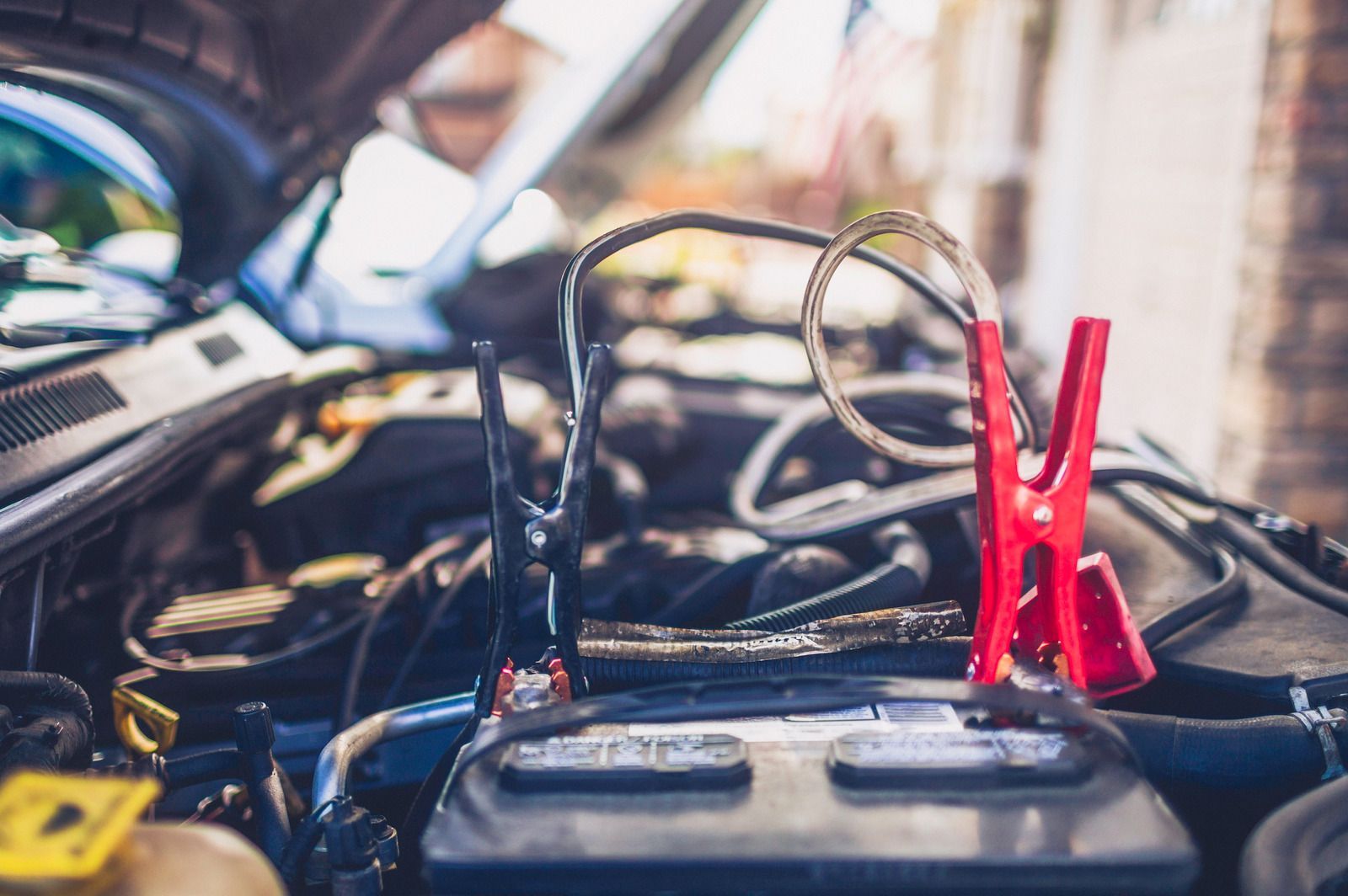
The process starts with proper cable connections. Attach the red cable to the positive terminal of the dead battery first, then the positive terminal of the donor battery. Next, connect the black cable to the negative terminal of the donor battery, and finally attach the remaining end to an unpainted metal surface on the disabled vehicle away from the battery. Experts stress that this last connection reduces the risk of sparks near the battery, which can ignite explosive gases.
Starting and Running the Engine
Once cables are securely connected, start the donor vehicle and allow it to run for a few minutes to provide sufficient charge. Then, attempt to start the disabled vehicle. If it fails, wait a few more minutes before trying again; repeated attempts without a brief pause can overheat the battery and cables. After the engine starts, keep both vehicles running and carefully remove the cables in reverse order: negative from the previously dead vehicle, negative from the donor vehicle, positive from the donor vehicle, and finally positive from the previously dead vehicle. This sequence minimizes the risk of short circuits or accidental sparks.
Common Challenges and Troubleshooting
Vehicle-Specific Considerations
Modern vehicles, particularly hybrids and those with advanced electronics, require careful handling during jump starts. Some models have sensitive onboard computers, and incorrect cable placement can cause expensive electronic damage. Many manufacturers provide specific jump-start guidelines in the owner’s manual, which should be followed to prevent warranty issues or electrical malfunctions. When in doubt, consult a professional or use a portable jump starter approved for modern vehicles.
Avoiding Common Mistakes
Mistakes such as reversing polarity, skipping grounding steps, or connecting cables to painted surfaces are frequent causes of accidents during jump starts. Professionals advise double-checking polarity before connection, securing clamps firmly, and ensuring the donor vehicle is off until cables are correctly attached. Awareness of these pitfalls and disciplined adherence to safety steps greatly reduces the risk of injury or vehicle damage.
Preventing Future Battery Failures
Regular Maintenance Tips
Routine battery maintenance can dramatically reduce the need for emergency jump starts. Cleaning terminals, ensuring a secure fit, and checking electrolyte levels for non-sealed batteries help maintain performance. Experts also recommend periodic battery testing, especially in extreme climates. Many auto shops provide quick diagnostic tests that reveal declining battery capacity before failure occurs.
Strategic Driving Habits
Driving habits also affect battery longevity. Frequent short trips may not allow the alternator to recharge the battery fully, leading to gradual depletion. Conversely, long drives keep the battery charged and maintain its health. Towing professionals note that leaving electronics on when the engine is off should be avoided, as it contributes significantly to battery drain. Integrating these habits into daily driving routines can extend battery life and minimize emergency jump-start situations.
Using Technology to Your Advantage
Modern battery monitoring systems provide real-time alerts for voltage irregularities, helping drivers detect issues before they escalate. Portable battery testers or smart jump starters can also diagnose weak batteries and provide immediate power without relying on another vehicle. Professionals recommend investing in such devices, particularly for vehicles with high electronic demands, ensuring convenience and safety during unexpected battery failures.
The Role of Professional Assistance
When to Call a Tow Service
While DIY jump starts are often effective, certain situations require professional intervention. If the battery is physically damaged, leaking, or the vehicle fails to start repeatedly, calling a towing service ensures safe resolution. Professionals arrive equipped with specialized jump-start equipment, reducing the risk of damage to the car’s electronics or personal injury.
Added Safety and Reliability
Using professional towing services adds an extra layer of security, especially in hazardous conditions such as busy roads or extreme weather. Operators are trained to assess vehicle conditions, manage high-risk scenarios, and complete jump starts quickly and safely. Their expertise ensures that what could be a stressful roadside situation is handled efficiently, minimizing downtime and risk for the driver.
Long-Term Benefits
Engaging professionals not only resolves immediate battery issues but also provides valuable insights for long-term vehicle care. Tow operators often advise on battery replacement timelines, maintenance routines, and proper jump-start techniques tailored to specific vehicle models. Over time, these recommendations reduce repeated emergencies, extend battery life, and enhance overall vehicle reliability.
Storage and Seasonal Care
Vehicles left idle for extended periods, such as seasonal cars, require battery maintainers or trickle chargers to prevent deep discharge. Proper storage in climate-controlled areas protects batteries from extreme temperatures that accelerate wear. These preventive steps maintain battery health, extend operational life, and ensure reliable vehicle starts when needed, avoiding inconvenient failures and unnecessary repair costs.
Dependable Towing Services Ensuring Quick Battery Solutions