Car Won't Start and Just Clicks? Battery vs Starter vs Alternator
October 31, 2026
Small Precautions Now Prevent Costly Engine Damage
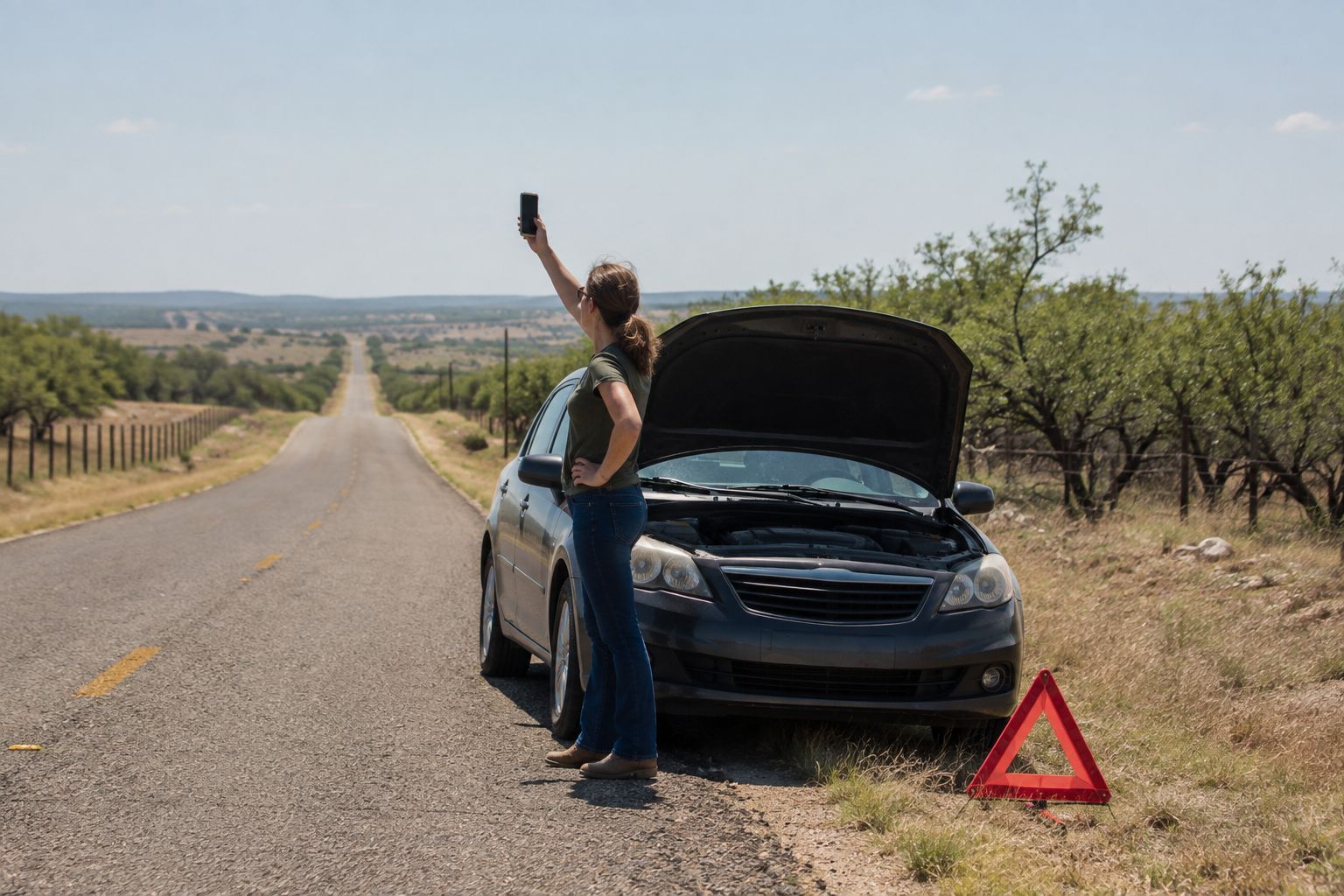
A rising temperature gauge on a hundred degree day is not background noise. It is a genuine warning before something under the hood breaks. The habits that protect an engine stay simple: cut the AC the moment the needle moves, find a shoulder instead of the first gap in the fence line, and leave the radiator cap alone no matter how tempting it is to check yourself. Those few minutes often separate a delayed afternoon from lasting engine damage.
Out here in San Angelo, TX where the next town can be a drive away, patience matters more. Nobody wants to sit on a hot shoulder waiting, but a warped cylinder head does not care how inconvenient the timing was. Eddy's Towing
has spent 10
years getting overheated engines off San Angelo shoulders before small problems turn into damage. The drivers who come through a summer overheat with nothing worse than a delayed afternoon are the ones who stopped early.
Quick Answer: Fast, repeated clicking with dim dash lights almost always means a weak or drained battery. One loud click with bright lights points toward the starter or its connection. A car that starts but dies soon after, with a battery light on, points toward the alternator. Check the dome light while you turn the key, look at the battery terminals for crusty buildup, and try a jump start if it is safe. If the jump works but the car will not restart later, the charging system is the suspect. If nothing changes, stop trying and call for help.
You finish your errand, climb back into the truck, and turn the key. Instead of the engine catching, you get a sound that makes your stomach drop: click, click, click. Or maybe it is a single heavy clunk, then silence. The radio still works. The dash lights up. The engine just will not turn over.
It is one of the most common breakdowns on a hot Concho Valley afternoon, and it is also one of the most confusing. Three different parts can produce nearly the same complaint: the battery, the starter, and the alternator. They work as a team, so when one of them quits, the other two look guilty. The good news is that the sound you hear and the way your lights behave can tell you a great deal before you ever open the hood.
This guide walks through what each symptom usually means, what you can safely check in a parking lot or on a ranch road, and when the smartest move is to stop troubleshooting and get a truck headed your way.
How the Three Parts Work Together
Think of the battery as the muscle that gets the engine moving, the starter as the hand that does the pushing, and the alternator as the pump that refills the battery once the engine is running.
The Battery Stores the Power
The battery delivers a powerful current surge to the starter. Fully charged batteries typically measure 12.6 volts at rest.
The Starter Turns the Engine
The solenoid engages the starter gear and closes the circuit. If the motor fails, the engine cannot crank.
The Alternator Keeps Everything Running
After startup, the alternator powers electrical systems and recharges the battery. A weak alternator eventually causes starting problems.
Because the alternator feeds the battery and the battery feeds the starter, a problem in one place often shows up somewhere else. A dead battery may really be an alternator problem that took a few days to catch up with you.
What the Clicking Sound Tells You
The type of click is your first and best clue. Listen closely, and if you can, have a passenger turn the key while you stand near the front of the vehicle with the hood closed.
Fast, Repeated Clicking
Rapid clicking usually means the battery can activate the solenoid but cannot crank the engine. A weak battery or poor terminal connection is likely.
One Loud Click, Then Nothing
A single click means the solenoid engages, but the starter does not spin. Possible causes include weak batteries, corroded terminals, faulty relays, or failing starters.
No Click at All
Complete silence may indicate a dead battery, disconnected cable, failed ignition switch, or blown fuse. If dashboard lights are also dead, check battery connections.
A Grinding or Whirring Noise
A starter spinning without turning the engine, or grinding during engagement, often indicates worn starter gears or damaged flywheel teeth. Jump starting will not fix mechanical damage.
Use Your Dome Light as a Free Test Meter
You do not need any tools to learn a lot about your battery. Turn on the dome light, then turn the key to the start position and watch what happens.
The Light Dims Badly or Goes Out
A dome light that nearly disappears during starting attempts usually indicates a weak battery unable to supply sufficient current.
The Light Stays Bright and Steady
If the dome light remains bright during one click, suspect the starter, relay, or corroded electrical connections.
The Headlights Tell the Same Story
Turn headlights on before starting. Sharp dimming during cranking suggests battery weakness, while steady brightness points elsewhere.
Pay attention to the dash as well. If the lights flicker, the radio resets, or the gauges act strange, the electrical system is struggling. That can mean a battery near the end of its life, or an alternator that has not been charging properly.
TIP: If you own a basic multimeter, set it to DC volts and touch the probes to the battery posts with the engine off. A reading near 12.6 volts means a full charge. Around 12.2 volts means the battery is discharged. Below that, the battery is badly drained and may not hold a charge. With the engine running, a healthy charging system usually shows somewhere between 13.5 and 14.5 volts. If the reading stays near battery voltage while the engine runs, the alternator may not be charging.
Why West Texas Heat Is Hard on Batteries
Most people assume cold weather kills batteries. Cold does expose a weak one, because it slows the chemical reaction inside and demands more power to turn thick oil. But heat is what does the lasting damage, and San Angelo summers deliver plenty of it.
Under the hood on a triple digit afternoon, temperatures can climb far beyond the air temperature. That heat speeds up the chemical breakdown inside the battery, shortens its life, and can cause the fluid inside to evaporate. A battery that survives the summer on the edge often quits on the first cool morning of fall, when it needs a little more to start the engine and has nothing extra left to give.
Dust and dry air add to the problem. Fine grit works its way onto the battery top and terminals, and combined with the heat it encourages that chalky white or bluish crust that builds on the posts. That crust acts like a layer of insulation between the cable and the battery, and it can create the exact single click symptom that makes the starter look guilty when it is not.
Long daytime drives on open highway are easy on a battery in one way, because the alternator has time to recharge it. Short trips around town in the heat are harder, since the engine runs only briefly while the air conditioner pulls hard on the system. If your truck sits for weeks at a time between ranch visits, the battery also drains slowly on its own.
Safe Checks You Can Do Before You Call
If you are parked somewhere safe, away from traffic, there are a few quick checks that cost nothing and might get you moving. Take your time, and stop the moment anything seems unsafe.
Look at the Terminals
Inspect battery cables for white, green, or blue corrosion. Gently check whether either cable moves on its post, indicating a loose connection.
Try a Few More Attempts, With Pauses
Wait one minute between attempts and crank only briefly. Repeated prolonged cranking overheats the starter and drains remaining battery power.
Check the Shifter
Ensure automatic transmissions are fully in Park or Neutral, or press the manual clutch completely. Safety switches can prevent starting otherwise.
Check the Key Fob and the Immobilizer Light
A flashing security light may indicate the vehicle cannot recognize its key. Try the spare key to rule out immobilizer problems.
Listen for the Fuel Pump
Turn the key to On and listen for a faint rear hum. Strong cranking without starting often indicates fuel delivery or ignition problems.
WARNING: Never lean over the battery while trying a jump start, and never let the jumper cable clamps touch each other once one end is connected. A battery can release flammable gas, especially a damaged or overheated one. Skip the jump start entirely if the case is cracked, bulging, leaking, or frozen, and if the cables, clamps, or your vehicle manual leave you unsure which posts to use.
What a Jump Start Reveals
A jump start is more than a quick fix. It is also a diagnostic test, and what happens next tells you which part is probably at fault.
It Starts Right Up and Keeps Running
The battery was likely drained. Possible causes include age, alternator failure, or lights left on. Have the charging system checked soon.
It Starts, Runs Briefly, Then Dies
This often indicates alternator trouble. Warning lights, dimming headlights, or a failing radio while driving support charging system problems.
It Will Not Start Even With a Jump
Poor connections, a failed starter, faulty relay, bad ground cable, or seized engine component may prevent starting despite properly connected jumper cables.
It Starts With a Jump, Then Will Not Restart After the Next Stop
The battery may no longer hold charge, or the alternator may be failing. Have both tested before taking longer drives.
This is where a professional jump start has an edge. A technician can match the equipment to your vehicle, connect it correctly, watch how the engine responds, and tell you what the behavior suggests, instead of leaving you guessing on a hot shoulder.
Why West Texas Heat Is Hard on Batteries
Most people assume cold weather kills batteries. Cold does expose a weak one, because it slows the chemical reaction inside and demands more power to turn thick oil. But heat is what does the lasting damage, and San Angelo summers deliver plenty of it.
Under the hood on a triple digit afternoon, temperatures can climb far beyond the air temperature. That heat speeds up the chemical breakdown inside the battery, shortens its life, and can cause the fluid inside to evaporate. A battery that survives the summer on the edge often quits on the first cool morning of fall, when it needs a little more to start the engine and has nothing extra left to give.
Dust and dry air add to the problem. Fine grit works its way onto the battery top and terminals, and combined with the heat it encourages that chalky white or bluish crust that builds on the posts. That crust acts like a layer of insulation between the cable and the battery, and it can create the exact single click symptom that makes the starter look guilty when it is not.
Long daytime drives on open highway are easy on a battery in one way, because the alternator has time to recharge it. Short trips around town in the heat are harder, since the engine runs only briefly while the air conditioner pulls hard on the system. If your truck sits for weeks at a time between ranch visits, the battery also drains slowly on its own.
When It Is Time to Stop and Call for Help
Trying a couple of simple fixes is reasonable. Beyond that, you gain very little and risk some real downsides. Call for help when:
You Are in a Spot That Is Unsafe
If stranded near traffic, blind curves, or extreme heat, activate hazards, stay clear of traffic, and call assistance.
You Are Far From Help
In remote areas, preserve your phone battery and avoid repeated troubleshooting attempts that could leave you without communication.
The Signs Point to Something Mechanical
Grinding, burning smells, smoke, or unusually heavy cranking mean stop trying and arrange professional assistance immediately.
Your Jump Start Did Not Hold
If another starting attempt fails after boosting, the vehicle likely needs diagnosis beyond a simple battery jump.
You Have Children, Pets, or Someone Vulnerable With You
Texas heat quickly makes stalled vehicles dangerous without air conditioning. Prioritize everyone’s safety and call roadside assistance promptly.
Preventing the Next Click
A few habits cut your odds of hearing that sound again.
Get the Battery Tested Before Summer and Winter
Test the battery seasonally. Slow morning cranking, dim lights, or batteries older than three years may signal declining performance.
Keep the Terminals Clean and Tight
Inspect battery terminals regularly and remove heavy corrosion promptly to maintain reliable electrical connections and prevent starting problems.
Do Not Ignore a Charging Light
The dashboard battery warning often signals charging system trouble. A failing alternator can drain the battery and leave you stranded.
Run the Vehicle Regularly
Drive vehicles that sit unused periodically, allowing the alternator to replenish battery power lost naturally during storage.
Keep Jumper Cables and a Flashlight in the Vehicle
Carry jumper cables and a flashlight for emergencies. These essentials help you troubleshoot safely or assist another stranded motorist.
What Your Clicks Are Really Telling You
A click is not a random noise. Fast and weak, it points at a drained battery. Slow and single, with bright lights, it points toward the starter or a poor connection. A car that comes alive on a jump and then dies again is asking you to look at the alternator. Taking thirty seconds to watch the dome light and listen to the sound saves you from guessing, and it gives anyone who comes to help a head start on solving the problem.
Out here, where the next town can be a good drive away, a few minutes of careful observation before you call makes a difference. But you do not have to solve the mystery alone. You only have to stay safe, keep your phone charged, and know when you have reached the end of what a parking lot diagnosis can do.
Frequently Asked Questions
Why does my car click but not start?
The click is usually the starter solenoid engaging. Fast, repeated clicking suggests a battery too weak to turn the engine. A single click may mean a corroded terminal, bad relay, or failing starter.
How can I tell if it is the battery or the starter?
Watch the dome light and headlights while turning the key. Heavy dimming points to the battery. Bright lights with one click suggest the starter, relay, or a poor connection.
Can a bad alternator make my car click?
Yes, indirectly. A weak alternator fails to recharge the battery, and the drained battery eventually clicks. If a jump works but the car dies again soon, suspect the alternator.
Will a jump start fix a bad starter?
No. A jump only supplies extra battery power. If the starter motor, relay, or a major connection has failed, the car will still click or stay silent.
Is it safe to keep trying to start the car?
A few short attempts with pauses are fine. Long cranking overheats the starter and drains the battery further. After two or three tries with no change, stop and get help.
Does hot weather really kill batteries?
Yes. Heat speeds internal wear and evaporates fluid, so a summer weakened battery often fails on the first cooler morning. Test it before summer and again before winter.
What Your Clicks Are Really Telling You
A click is not a random noise. Fast and weak, it points at a drained battery. Slow and single, with bright lights, it points toward the starter or a poor connection. A car that comes alive on a jump and then dies again is asking you to look at the alternator. Taking thirty seconds to watch the dome light and listen to the sound saves you from guessing and gives anyone who comes to help a real head start.
Out here, where the next town can be a long drive away, a few minutes of careful observation before you call makes a difference. Eddy's Towing
has spent 10
years helping stranded drivers in San Angelo, TX, and that time has shown that staying safe, keeping a phone charged, and knowing when a parking lot diagnosis has reached its limit matter more than any single fix. You do not have to solve the mystery alone, only stay calm and stay safe.