Fast and Safe Car Lockout Solutions: Expert Advice from Tow Professionals

June 29, 2026

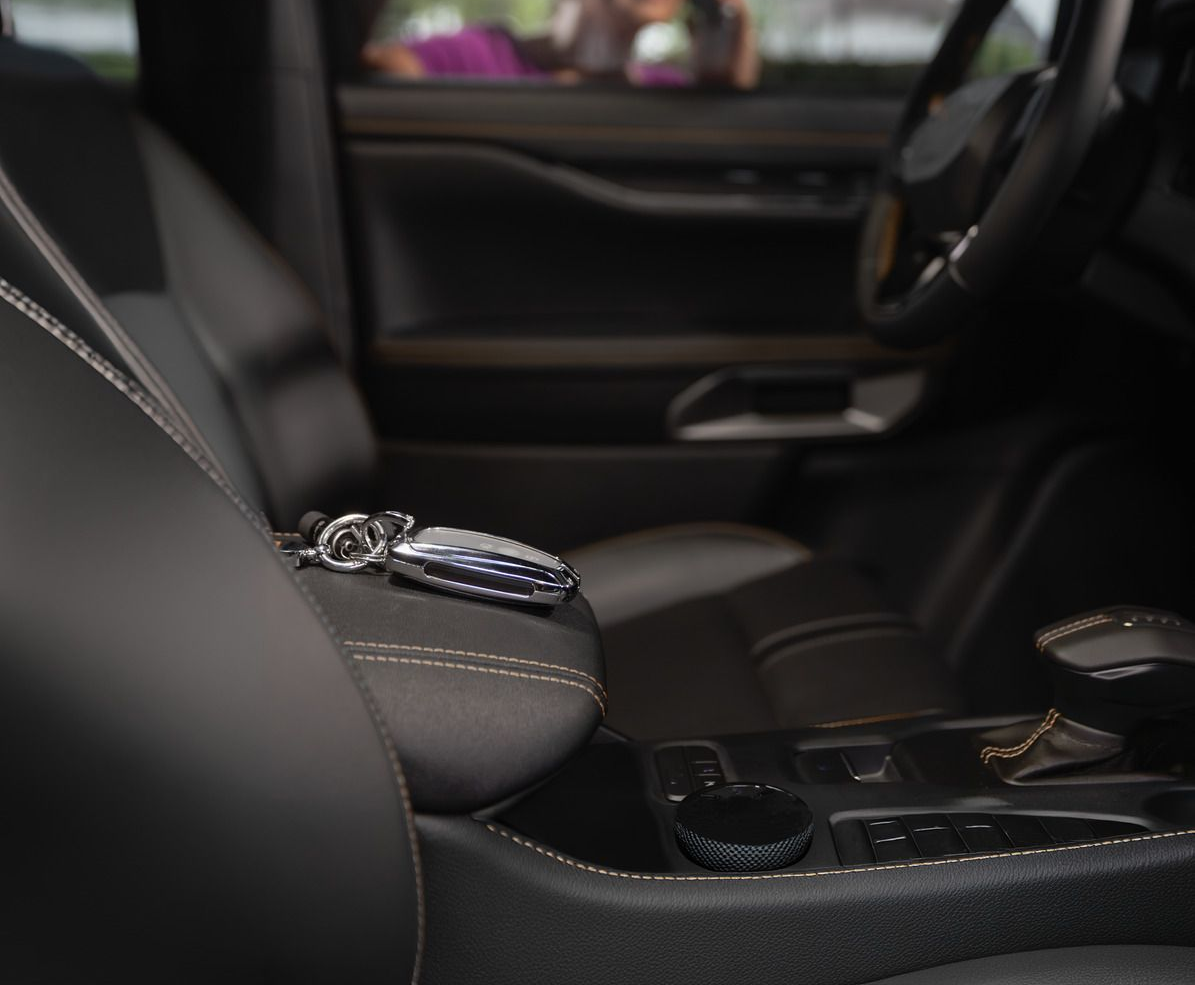
You just topped off the tank, reached back through the door for your wallet, and the lock thunked shut behind you with the engine still idling and your key sitting in the cup holder. Now you are circling the car, pulling each handle, watching the fuel pump beep behind you and a line forming. That sinking feeling is familiar to almost everyone who drives, and it does not mean you slipped up. The cars themselves are built to lock this way.


Here is the one thing to fix in your head before you do anything else. A lockout is rarely urgent on its own, but it becomes an emergency the instant a child, an older passenger, or a pet is shut inside on a warm day. If that is your situation, call 911 first and do not wait on any service. If the car is empty, you have time, and time is what keeps a quick door pop from turning into a damaged panel. We open cars like this constantly, and the drivers who slow down and skip the brute force almost always get back in without a single scratch.

Locked Out Right Now? Work Through This First

Your first move is to rule out the easy fixes before anyone touches the door, because plenty of lockouts solve themselves once you stop assuming the worst.


  1. Try every door and the trunk or hatch one at a time. People hit the lock once and assume all four caught when one rear door often did not.
  2. Look for a spare you forgot about, whether it is with a partner, hidden at home, or a flat blade tucked in your wallet.
  3. If your car connects to a phone app, open it and send the unlock command before anything else.
  4. Decide how urgent this really is by checking whether the engine is running and whether anyone is inside.
  5. When you reach out for help, share your exact spot and the year, make, and model so the right tool comes the first time.

TIP: Pop the cap off your fob and look for a slim metal blade. Most remotes hide one, and it fits a keyhole concealed under a small cover on the driver door handle. That hidden blade gets a lot of people back inside before any tool ever shows up.

The Quiet Reasons Modern Cars Lock You Out

Most lockouts trace back to design and habit, not carelessness, so knowing the pattern helps you dodge the next one.


The leading cause is the automatic lock paired with a key you set down for a second. You step out, the door secures itself, and the fob is on the seat. Right behind that is a fading fob battery, which usually gives out around the 3 to 4 year mark and tends to quit in the heat with no warning, leaving you mashing a button that no longer reaches the receiver. Worn keys come next, since years in the same cylinder round the edges until the blade slips or breaks off inside. We also pull steady calls for keys shut in the trunk and for a tired lock actuator that strands one door while the rest still respond.

Why the Coat Hanger Trick Backfires Now

Reaching in with a hanger or a flat bar is exactly how a free problem turns costly, because the cars those tricks were built for are nearly extinct.


Behind a current door panel sits a tight bundle of wiring, side airbag sensors, the window track, and the lock linkage. A tool fishing blind in that space grabs the wrong piece. We have fished hangers out of door cavities that hooked the unlock rod and bent it out of shape, and we have met pry jobs that crimped the seal so the door leaked and whistled at highway speed forever after. Lever the top of a door to slip a stick inside and you tweak the frame just enough that the glass stops seating. None of it shows up right away, and all of it outweighs the lockout.

How We Pop a Door Open Cleanly

We work with the factory linkage instead of against it, which is why a proper entry leaves no trace.


The job starts with an inflatable wedge slid into the upper corner of the door, pumped only far enough to open a gap around a quarter inch wide. Through that gap we run a long reach tool to hit the unlock button or lift the inside handle by hand. When a key has snapped off in the cylinder, we extract the broken half and free the lock without drilling it out. On service calls we frequently find that a two minute wedge entry does cleaner work than any hanger ever could, and we cushion the paint and seals before we begin.

The Heat Risk That Changes Everything

Heat is the single factor that flips a lockout from an inconvenience into an emergency, and it moves faster than people expect.


A car parked in direct sun can pass a dangerous interior temperature within a quarter hour, long before the metal even feels hot to the touch. That is why a locked car with a child, an older adult, or an animal inside is no longer about the door at all. Do not weigh a window against a person. The same urgency applies to a running engine in a closed garage or a vehicle left in gear. An empty cabin buys you patience, so use it to stay calm and let the right tool do the work.

Habits That Keep Your Keys in Your Hand

A handful of small routines keep you from ever making this call twice.

Cut a spare this week and stash it somewhere a thief would never check first, ideally with someone you trust rather than in a magnetic box under the bumper. Every few months, test the fob and plan to swap its battery near that 3 to 4 year point before it leaves you stranded. Train yourself to hold the key until you are fully clear of the car instead of resting it on the seat. If your vehicle supports a phone app, set it up tonight while you are calm, not while you are stuck in a lot.

Frequently Asked Questions

  • Do I need to be there when you unlock my car?

    Yes, we ask the owner or an authorized driver to be present and show that the car is yours. It protects you and us. Once we confirm ownership, most standard openings take around 15 minutes from arrival.

  • Can a lockout drain or harm my battery?

    The lockout itself does not, but a running engine or flashing hazards while you wait can pull the battery down over time. A short wait is harmless. If the car has sat dead for a while, mention it so we arrive ready to jump it.

  • What about lockouts at night or in a parking garage?

    Both are routine for us. Low light and tight garage spaces do not change the entry method, only how we position the truck. Give the level, row, or nearest landmark so we find you quickly in a large structure.

  • Can you make a new key if mine is lost, not just locked in?

    Lost keys are a different job than a lockout, but we can still get you back in the car first. For a true replacement on smart keys, you may need a fob programmed to your vehicle, which we can point you toward.

  • My fob quit working but is not locked inside. What now?

    Try the hidden metal blade in the fob on the driver door first, since a dead remote still opens the lock manually. The battery is the usual culprit and swaps in seconds. If the blade fails too, the cylinder itself may be worn.

Car wheel with a blue and yellow tire jack beside a lifted black car on pavement
May 14, 2026
A flat tire can happen at the most inconvenient time—on the way to work, during a long trip, or even in your own driveway. While changing a tire may seem like a simple task, the decision between handling it yourself or calling a professional towing service is not always straightforward.
White truck with a flat front tire beside tools, loose wheel, and a red tow truck on a roadside
April 30, 2026
Tires are one of the most critical safety components of any vehicle, yet they are often overlooked until a visible problem appears. Every mile driven exposes tires to heat, friction, road debris, and changing weather conditions, all of which contribute to gradual wear and deterioration.
A person wearing work gloves using jumper cables to connect a car battery.
March 26, 2026
Getting behind the wheel only to discover a dead car battery can be an infuriating and stressful experience. Whether it’s a cold winter morning or the middle of a busy workday, a vehicle that won’t start disrupts your schedule and can leave you stranded in inconvenient or even unsafe locations.
Car wheel with a blue and yellow tire jack beside a lifted black car on pavement
May 14, 2026
A flat tire can happen at the most inconvenient time—on the way to work, during a long trip, or even in your own driveway. While changing a tire may seem like a simple task, the decision between handling it yourself or calling a professional towing service is not always straightforward.
White truck with a flat front tire beside tools, loose wheel, and a red tow truck on a roadside
April 30, 2026
Tires are one of the most critical safety components of any vehicle, yet they are often overlooked until a visible problem appears. Every mile driven exposes tires to heat, friction, road debris, and changing weather conditions, all of which contribute to gradual wear and deterioration.
A person wearing work gloves using jumper cables to connect a car battery.
March 26, 2026
Getting behind the wheel only to discover a dead car battery can be an infuriating and stressful experience. Whether it’s a cold winter morning or the middle of a busy workday, a vehicle that won’t start disrupts your schedule and can leave you stranded in inconvenient or even unsafe locations.