Signs Your Tire Needs Immediate Replacement
April 30, 2026
Tires are one of the most critical safety components of any vehicle, yet they are often overlooked until a visible problem appears. Every mile driven exposes tires to heat, friction, road debris, and changing weather conditions, all of which contribute to gradual wear and deterioration. Ignoring early warning signs can lead to reduced traction, poor handling, longer braking distances, and even sudden tire failure. In today’s fast-paced environment, where reliability and safety are paramount, understanding when a tire needs immediate replacement is essential for every driver.
Modern vehicles are engineered for performance and efficiency, but even the most advanced systems depend on properly maintained tires. Whether commuting daily, managing a fleet, or embarking on long-distance travel, recognizing the indicators of tire damage can prevent costly repairs and dangerous situations. From visible tread wear to subtle vibrations while driving, each sign serves as a critical signal that should not be ignored. By staying proactive and informed, drivers can ensure optimal vehicle performance, protect passengers, and maintain road safety standards with confidence.
1. Worn-Out Tread Depth and Loss of Traction
Understanding Tread Wear Indicators
Tread depth plays a vital role in maintaining grip on the road, especially in wet or slippery conditions. Tires are designed with grooves that channel water away, allowing proper contact between the rubber and the road surface. Over time, these grooves wear down, reducing effectiveness and increasing the risk of hydroplaning. When the tread is flush with these indicators, replacement is no longer optional; it is necessary for safety.
Real-World Impact of Low Tread
Driving on worn tires significantly increases stopping distance. For example, in rainy conditions, a vehicle with insufficient tread may take several additional meters to come to a complete stop compared to one with healthy tires. This difference can determine whether an accident is avoided or not. In high-speed scenarios, reduced traction compromises control during turns and emergency maneuvers.
Best Practices for Monitoring
Regularly checking tread depth using a gauge or even a simple coin test can help identify wear early. Rotating tires at recommended intervals ensures even wear across all four wheels, extending their lifespan and maintaining consistent performance.
2. Visible Cracks, Bulges, and Sidewall Damage
Causes of Structural Weakness
Sidewall damage often results from prolonged exposure to sunlight, extreme temperatures, or impact with potholes and curbs during daily driving conditions. Over time, the rubber compound loses elasticity, leading to cracks that gradually worsen if left unaddressed. Bulges, on the other hand, indicate internal structural damage where air pressure has forced the weakened area outward, signaling serious internal tire failure risks.
Why Sidewall Damage Is Dangerous
Unlike tread wear, sidewall issues cannot be repaired safely using standard tire repair methods. A bulge is essentially a weak spot that can rupture without warning, potentially causing a dangerous blowout at high speeds on busy roads. This is particularly dangerous on highways, where sudden tire failure can lead to complete loss of control and severe accidents.
Preventive Measures
Inspecting tires visually at least once a month can help identify cracks or deformities early before they become major hazards. Avoiding rough driving conditions and maintaining proper tire pressure significantly reduces stress on the sidewalls over time. If any abnormality is detected, immediate replacement is the safest and most responsible course of action for drivers.
3. Persistent Vibrations and Uneven Wear Patterns
Identifying the Root Cause
While minor vibrations can result from uneven road conditions, consistent shaking or steering wheel vibration often points to underlying tire or alignment issues. Uneven wear patterns—such as cupping, scalloping, or one-sided wear—clearly indicate alignment problems, suspension issues, or improper inflation practices over time.
Effects on Vehicle Performance
Unevenly worn tires compromise stability, traction, and overall vehicle handling in both city and highway driving situations. Drivers may notice the vehicle pulling to one side or experiencing difficulty maintaining a straight path consistently. Over time, this not only affects comfort but also accelerates wear on other vehicle components, including suspension and steering systems significantly.
Expert Insight and Solutions
Addressing alignment and balancing issues promptly can prevent further damage and extend overall tire lifespan effectively. However, once uneven wear reaches a certain level, replacing the affected tires becomes necessary for safe driving performance. Regular wheel alignment checks and maintaining recommended tire pressure are essential practices to avoid such recurring problems.
4. Frequent Loss of Tire Pressure
Safety Risks of Underinflated Tires
Driving with low tire pressure increases rolling resistance, leading to higher fuel consumption and unnecessary strain on the engine over time. This heat buildup can weaken the tire structure, increasing the likelihood of a sudden blowout while driving. Additionally, underinflated tires reduce handling precision and braking efficiency, making the vehicle less responsive in critical emergency situations.
Maintenance and Monitoring
Using a reliable pressure gauge to check tire pressure weekly can help detect abnormalities early and prevent long-term damage. Many modern vehicles are equipped with Tire Pressure Monitoring Systems (TPMS), but manual checks remain important for ensuring complete accuracy. If a tire consistently loses air despite repairs, replacement is the safest and most reliable long-term solution.
5. Age-Related Deterioration of Tires
The Impact of Time on Tire Integrity
Even if a tire appears to have sufficient tread, age can significantly affect its overall performance and reliability. Rubber compounds degrade over time due to oxidation, UV exposure, and environmental conditions that weaken the material. Most manufacturers recommend replacing tires every six to ten years, regardless of usage or visible wear conditions.
Hidden Risks of Aging Tires
Older tires may develop internal weaknesses that are not visible externally during routine inspections or casual observation. These weaknesses can lead to sudden failure, especially under high stress, heavy loads, or extreme temperature conditions. Vehicles that are not driven frequently are particularly susceptible, as the tires remain stationary for long periods, accelerating internal degradation.
Best Practices for Longevity
Checking the tire’s manufacturing date—usually printed clearly on the sidewall—helps determine its actual age accurately. Storing vehicles in shaded or covered areas can slow down the aging process and protect rubber compounds. However, once a tire reaches its recommended lifespan, replacement is essential for maintaining optimal safety and performance standards.
6. Repeated Repairs and Compromised Integrity
When Repairs Are No Longer Enough
Minor punctures can often be repaired effectively, but multiple repairs gradually weaken the tire’s overall internal structure. Each repair alters the internal composition, reducing its ability to handle pressure and stress effectively over time. This increases the risk of sudden failure, especially during long drives or high-speed travel conditions.
Evaluating Repair Limits
Industry guidelines suggest limiting repairs to specific areas of the tread and avoiding repairs on the sidewall completely. If a tire has undergone several fixes or has sustained significant damage, replacement is the more reliable and safer long-term solution. Ignoring these limits can compromise safety and increase the chances of unexpected tire failure on the road.
Cost vs. Safety Consideration
While repairing a tire may seem cost-effective in the short term, the long-term risks often outweigh the temporary savings significantly. Investing in a new tire ensures consistent performance, improved safety, and greater reliability under various driving conditions. Prioritizing safety over short-term savings is always the smarter and more responsible decision for vehicle owners.
7. Unusual Noises and Driving Discomfort
- Recognizing Audible Warning Signs:- Tires in poor condition often produce unusual noises, such as thumping, humming, or clicking sounds while driving at different speeds. These noises can indicate uneven wear, internal structural damage, or foreign objects lodged in the tire surface. Paying attention to these sounds can help identify issues early before they become severe safety concerns.
- Impact on Driving Experience:- Beyond safety concerns, damaged tires significantly reduce overall driving comfort and vehicle stability during regular use. Increased noise levels and vibrations can make even short trips unpleasant and physically tiring for drivers. These signs clearly indicate that the tire is no longer functioning as intended and requires immediate attention.
- Taking Immediate Action:- Ignoring these warning signs can lead to further damage, costly repairs, and potential breakdowns in inconvenient or unsafe locations. Conducting a thorough inspection and replacing compromised tires promptly ensures a smoother, quieter, and safer driving experience. Proactive action helps maintain vehicle performance and prevents unexpected issues during daily or long-distance travel.
Reliable Tire Replacement Support When You Need It
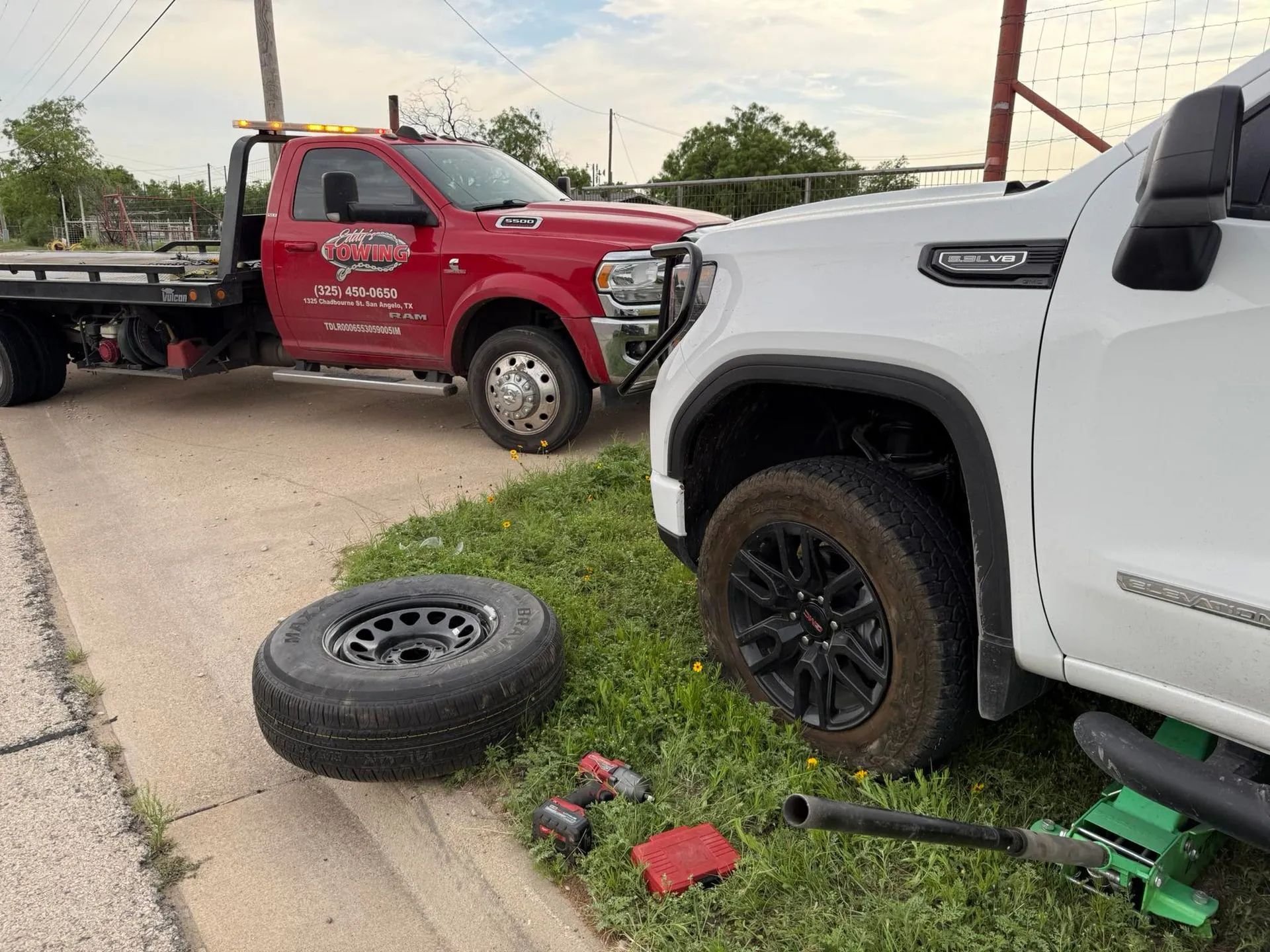
When tire issues arise unexpectedly, having a dependable roadside partner makes all the difference. At Eddy's Towing, we bring 10 years of hands-on experience in delivering prompt and professional towing and roadside assistance services. Based in San Angelo, Texas, we understand the urgency and risks associated with tire failures, especially when they occur in high-traffic or remote areas.
We prioritize clear communication, careful handling, and dependable support, ensuring that every service call is managed with professionalism. From
roadside tire assistance
to secure vehicle transport, our goal is to minimize disruption and get drivers back on track as safely as possible. Choosing a trusted towing provider ensures peace of mind, knowing that expert help is always within reach when it matters most.