DIY vs. Professional Tire Change: When to Call a Tow Service
May 14, 2026
A flat tire can happen at the most inconvenient time—on the way to work, during a long trip, or even in your own driveway. While changing a tire may seem like a simple task, the decision between handling it yourself or calling a professional towing service is not always straightforward. With modern vehicles becoming more complex and road conditions often unpredictable, understanding when to rely on DIY solutions and when to seek expert help is essential for safety and efficiency.
In today’s fast-paced environment, time, safety, and convenience play a critical role in how we respond to roadside issues. While many drivers are equipped with basic tools and knowledge for tire replacement, not every situation allows for a safe or effective DIY fix. Factors such as location, weather conditions, vehicle type, and personal experience all influence the best course of action. By evaluating the pros and limitations of both approaches, we can make informed decisions that prevent further damage, reduce risks, and ensure a smoother driving experience.
1. Understanding DIY Tire Changes: Skills, Tools, and Preparation
Essential Tools Every Driver Should Carry
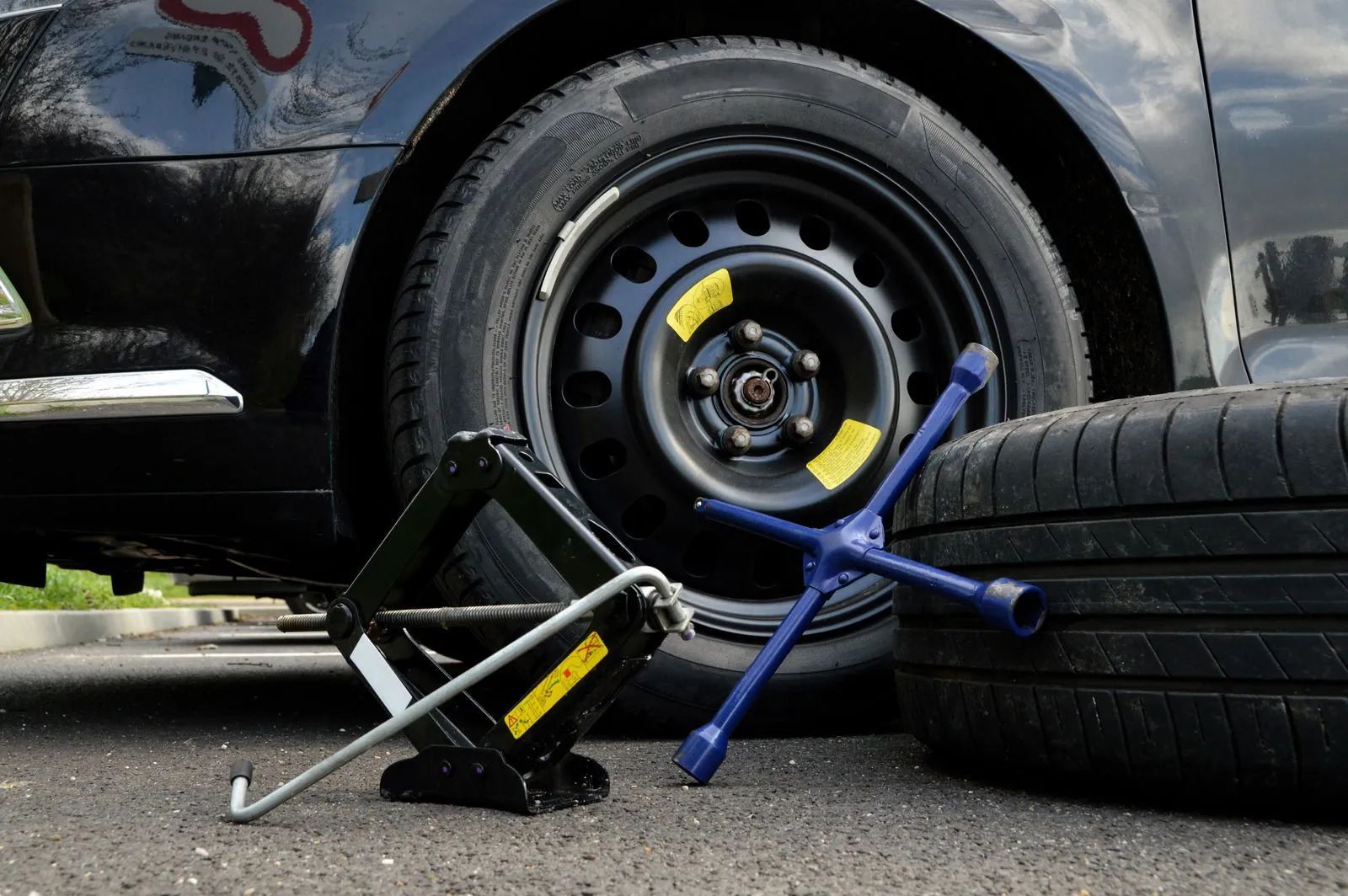
A successful DIY tire change begins with proper preparation and careful planning beforehand. Every vehicle should be equipped with a spare tire, jack, lug wrench, and owner’s manual at all times. Additional tools such as wheel wedges, gloves, and a flashlight enhance safety and efficiency during emergencies. Without these essentials, attempting a tire change can become risky, stressful, and unnecessarily time-consuming for most drivers.
Basic Steps for Changing a Tire
The process involves securing the vehicle on a flat, stable surface, loosening lug nuts carefully, lifting the car with a jack, removing the damaged tire, and installing the spare securely. While these steps are straightforward in theory, execution requires physical strength, attention to detail, and strong awareness of safety protocols at all times.
Benefits of DIY Tire Changes
Handling a tire change independently offers convenience, immediate response, and significant cost savings for many drivers. It eliminates waiting time for roadside assistance and provides a sense of self-reliance and confidence. For experienced drivers, this approach can be quick, efficient, and highly practical, especially in controlled environments like home or low-traffic areas.
Limitations and Risks
Despite its advantages, DIY tire changes are not always practical or safe in real-world situations. Improper lifting, incorrect installation, or lack of experience can lead to accidents, injuries, or further vehicle damage. Additionally, roadside conditions may not always be safe or suitable for performing such tasks without professional support.
2. When DIY Becomes Unsafe: Recognizing High-Risk Situations
Hazardous Road Conditions
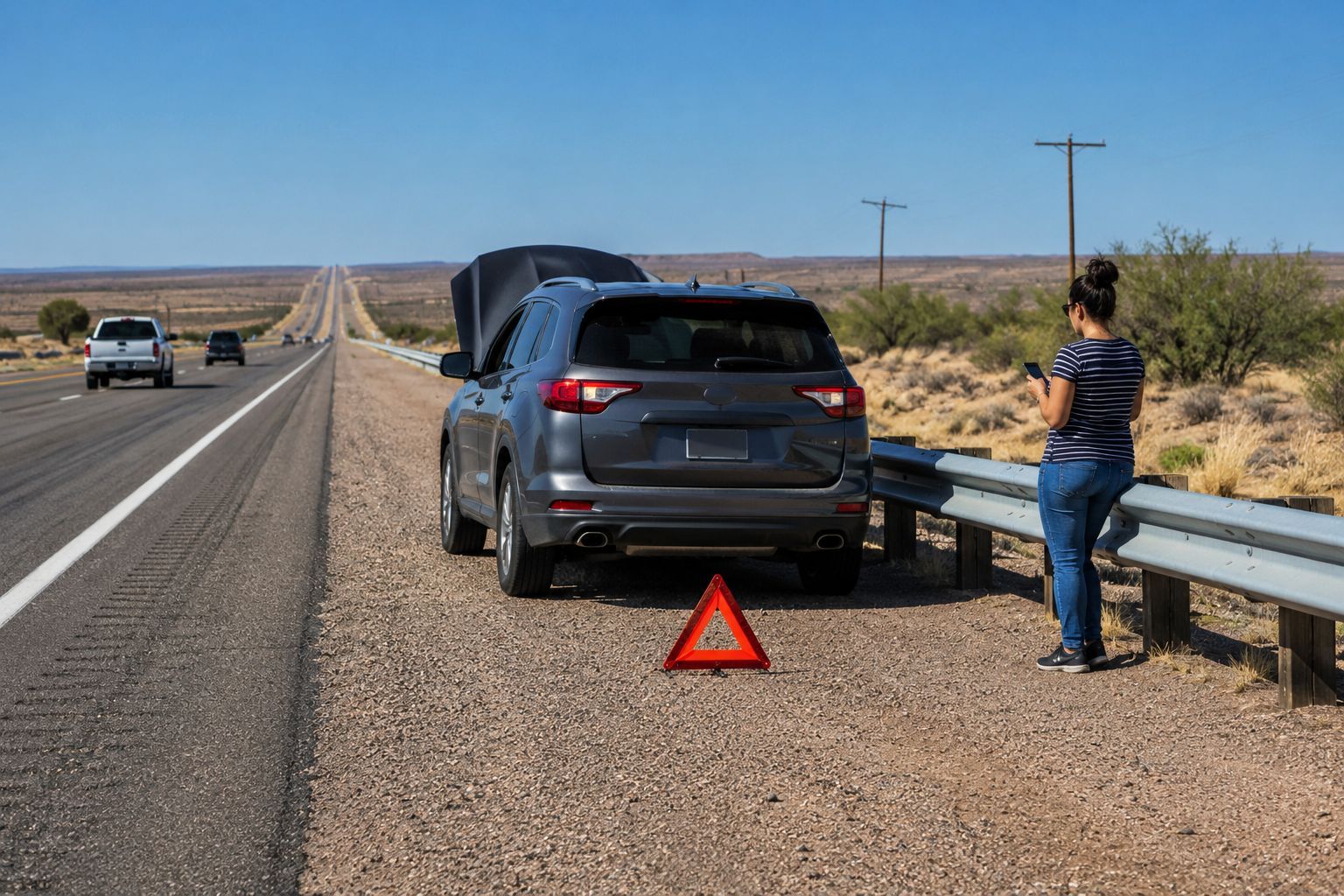
Changing a tire on a busy highway or narrow road significantly increases the risk of accidents and serious injuries. Limited visibility, high-speed traffic, and unstable surfaces make DIY attempts extremely dangerous and unpredictable. In such cases, prioritizing safety by calling a tow service is always the smarter and safer choice.
Adverse Weather Challenges
Rain, snow, extreme heat, or poor lighting conditions can complicate even a simple tire change unexpectedly. Slippery surfaces and reduced visibility increase the likelihood of errors, delays, and potential injuries. Weather-related challenges often require professional assistance to ensure safety, efficiency, and proper handling of the situation.
Physical Limitations and Lack of Experience
Not every driver has the physical strength, confidence, or technical knowledge to perform a tire change correctly and safely. Struggling with tight lug nuts or improper jack placement can lead to frustration, mistakes, and potential harm. Recognizing personal limitations is crucial in deciding when to seek professional help instead.
Vehicle-Specific Complexities
Modern vehicles, including SUVs, trucks, and electric cars, often have unique requirements for tire replacement and maintenance. Specialized tools, equipment, or technical knowledge may be necessary, making DIY attempts impractical, difficult, or unsafe for many drivers without proper training.
3. Advantages of Professional Tire Change Services
Expertise and Efficiency
Professional tow services are equipped with trained technicians who handle tire changes quickly, accurately, and safely. Experience allows for efficient problem-solving, reducing downtime and ensuring the job is completed correctly the first time. This level of expertise significantly minimizes errors and improves overall service reliability.
Safety Assurance
Using professional services minimizes the risk of accidents, injuries, and costly mistakes during roadside emergencies. Technicians follow strict safety protocols, including proper vehicle stabilization and traffic awareness measures. This ensures both the driver and vehicle remain fully protected throughout the entire process.
Access to Specialized Equipment
Tow services carry advanced tools and professional-grade equipment that go beyond standard roadside kits available to most drivers. These tools enable handling of complex situations, such as damaged rims, stuck bolts, or seized lug nuts. Such challenges may be difficult or impossible to address with basic equipment alone.
Comprehensive Roadside Support
In addition to tire changes, professional services often provide additional assistance such as towing, battery jump-starts, lockout services, and fuel delivery solutions. This versatility ensures that unexpected issues can be resolved efficiently without requiring multiple service providers or unnecessary delays.
4. Cost vs. Convenience: Evaluating the Trade-Off
Long-Term Value
Choosing professional assistance can provide long-term benefits by ensuring proper installation and preventing future mechanical issues. A correctly installed tire contributes to better vehicle performance, improved safety, and longer lifespan. This ultimately reduces maintenance costs and enhances overall driving reliability.
Balancing Priorities
The decision ultimately depends on individual priorities, circumstances, and the specific situation at hand. If safety, reliability, and peace of mind are most important, professional services often outweigh the cost savings of DIY approaches in critical scenarios.
5. Real-World Scenarios: Making the Right Decision
Scenario 1: Flat Tire at Home
In a controlled environment such as a driveway or garage, a DIY tire change is often practical and manageable. Adequate space, proper tools, and sufficient time allow for a safe, efficient, and stress-free process without external risks.
Scenario 2: Breakdown on a Busy Highway
Attempting a tire change in high-traffic conditions poses significant risks to both the driver and passing vehicles. In such situations, calling a tow service ensures safety, reduces exposure to danger, and provides professional handling of the emergency.
Scenario 3: Nighttime Emergency
Limited visibility during nighttime increases the difficulty and risk of performing a tire change safely and correctly. Professional assistance provides proper lighting, expertise, and safety measures, making the process far more secure and efficient.
Scenario 4: Severe Weather Conditions
Extreme weather conditions such as heavy rain, storms, or extreme heat can quickly turn a simple task into a hazardous situation. Relying on trained professionals ensures the job is handled safely despite challenging and unpredictable environmental conditions.
Scenario 5: Lack of Spare Tire
Some modern vehicles do not come with a spare tire, relying instead on temporary repair kits or sealants. In such cases, a tow service becomes essential for transporting the vehicle safely to a repair facility without further damage.
6. Best Practices for Tire Emergencies
- Regular Vehicle Maintenance:- Routine inspections help identify tire wear, pressure issues, and potential problems before they lead to emergencies. Maintaining proper tire pressure, alignment, and tread depth significantly reduces the likelihood of sudden failures on the road.
- Keeping Emergency Supplies Ready:- A well-stocked emergency kit, including reflective triangles, gloves, a flashlight, and basic tools, enhances preparedness. These items improve safety, visibility, and efficiency during unexpected roadside situations and emergencies.
- Knowing When to Call for Help:- Understanding personal limitations, road conditions, and environmental risks is key to making the right decision quickly. When in doubt, prioritizing safety by contacting a professional service is always the most responsible and effective choice.
- Staying Visible and Safe:- If a tire change must be performed roadside, ensuring visibility through hazard lights, warning signals, and reflective gear is essential. Positioning the vehicle safely away from traffic further reduces risks and improves overall safety.
- Learning Basic Skills:- While professional services are invaluable, having basic knowledge of tire changes can be highly beneficial for drivers. Even if assistance is required, understanding the process helps communicate effectively and ensures better, more informed outcomes.
Experienced Towing Service Focused on Driver Safety
When tire emergencies arise, having a dependable service provider can make all the difference. Eddy's Towing, a trusted towing company based in San Angelo, Texas, brings over 10 years of hands-on experience in handling roadside challenges with precision and care. With a strong commitment to safety, efficiency, and customer satisfaction, every service is designed to address urgent situations promptly and professionally.
Our approach focuses on delivering reliable assistance when it matters most. Whether facing a flat tire on a busy roadway or dealing with unexpected vehicle issues, we ensure that every response prioritizes safety and minimizes disruption. By combining industry expertise with modern equipment, we handle tire changes and towing needs with accuracy and confidence.
We understand that roadside emergencies can be stressful, which is why our services are tailored to provide reassurance and dependable solutions. With a reputation built on consistency and trust, Eddy's Towing
stands as a reliable partner for drivers seeking expert support. Choosing professional assistance ensures not only convenience but also the peace of mind that comes with knowing your vehicle is in capable hands.